Showing posts with label Sustainable Travel. Show all posts

Saturday, July 12, 2025

Exploring the World’s Treasures: Understanding UNESCO World Heritage Sites

Hey fellow travelers, Bruce here from Come Monday Travel. When you are explore future vacation a trip destinations, you may have seen the term UNESCO World Heritage Site; I'm here to explain what that means.

For travelers seeking meaningful experiences and a deeper connection to history and culture, the designation of a UNESCO World Heritage site is a powerful draw. These locations, recognized by the United Nations Educational, Scientific and Cultural Organization (UNESCO), are considered globally significant and worthy of protection for future generations.

But what exactly is a UNESCO World Heritage site, and how does this status impact a traveler's experience?

What Defines a UNESCO World Heritage Site?

A UNESCO World Heritage site is a place—either cultural, natural, or a mix of both—that is deemed to have "Outstanding Universal Value" (OUV) to humanity. This means the site transcends national boundaries and holds exceptional importance for all people, present and future.

The designation is rooted in the 1972 Convention Concerning the Protection of the World Cultural and Natural Heritage. Through this convention, UNESCO aims to identify, protect, and preserve sites that represent some of humanity's most remarkable achievements and nature's most inspiring creations.

To be inscribed on the World Heritage List, a site must meet at least one of ten specific criteria. These criteria span a wide range, from being a "masterpiece of human creative genius" to containing "superlative natural phenomena or areas of exceptional natural beauty."

A Caribbean Example: Brimstone Hill Fortress National Park

The Caribbean, a region renowned for its natural beauty and rich history, is home to numerous UNESCO World Heritage sites. One remarkable example is Brimstone Hill Fortress National Park in St. Kitts and Nevis.

Inscribed in 1999, Brimstone Hill Fortress is recognized for its outstanding architectural and historical significance. It is considered a superb example of 17th and 18th-century British military engineering and architecture, built by enslaved Africans. Often referred to as the "Gibraltar of the West Indies," the fortress is strategically situated on a steep volcanic hill, offering breathtaking views and serving as a testament to the struggles for power during the European colonial expansion in the Caribbean.

The UNESCO designation for Brimstone Hill emphasizes its OUV, specifically meeting criteria related to its exceptional testimony to a cultural tradition and its significance as an outstanding example of a historical architectural ensemble.

The Impact of UNESCO Status on Travel

A UNESCO designation significantly impacts travel to a site, offering both benefits and challenges.

Increased Visibility and Tourism

The most immediate effect of a UNESCO listing is increased global visibility. The recognition often serves as a powerful marketing tool, drawing attention from travelers and tour operators worldwide. This influx of visitors can bring significant economic benefits to the local area, supporting jobs and infrastructure development.

For travelers, this increased visibility makes it easier to identify and plan trips to sites of exceptional importance. The status provides a stamp of approval, assuring visitors that they are experiencing a site of genuine historical, cultural, or natural significance.

Enhanced Conservation and Preservation

The core mission of the UNESCO World Heritage program is conservation. Once a site is listed, it gains access to international support, technical assistance, and potential funding for preservation efforts. This ensures that the site's integrity is maintained, guaranteeing a high-quality experience for visitors while safeguarding the heritage for future generations.

Travelers can expect to see well-managed sites with clear preservation strategies in place. However, this commitment to conservation can also lead to restrictions on visitor access, especially at fragile sites.

Managing the Challenges of Overtourism


The popularity that comes with UNESCO status is a double-edged sword. While increased tourism is economically beneficial, it also presents challenges, particularly "overtourism." High visitor numbers can strain local infrastructure, disrupt ecosystems, and even damage the very heritage the designation is meant to protect.

In response, many UNESCO sites implement measures such as visitor caps, reservation systems, and restricted access to certain areas. While these measures may seem inconvenient to some travelers, they are crucial for ensuring the long-term sustainability of the site.

For travelers, this means that visiting a popular UNESCO site often requires advanced planning, adherence to specific rules, and a commitment to responsible tourism practices.

The Traveler’s Role

Visiting a UNESCO World Heritage site is a privilege and a responsibility. As travelers, we play a vital role in the preservation of these global treasures. By choosing to visit sustainably, respecting local cultures, and supporting conservation efforts, we can ensure that these remarkable places continue to inspire and educate future generations.

A UNESCO World Heritage designation is more than just a label; it is an invitation to explore the shared legacy of humanity. To discuss and plan your next vacation or trip to a location of outstanding universal value, contact Come Monday Travel today.

Tuesday, June 24, 2025

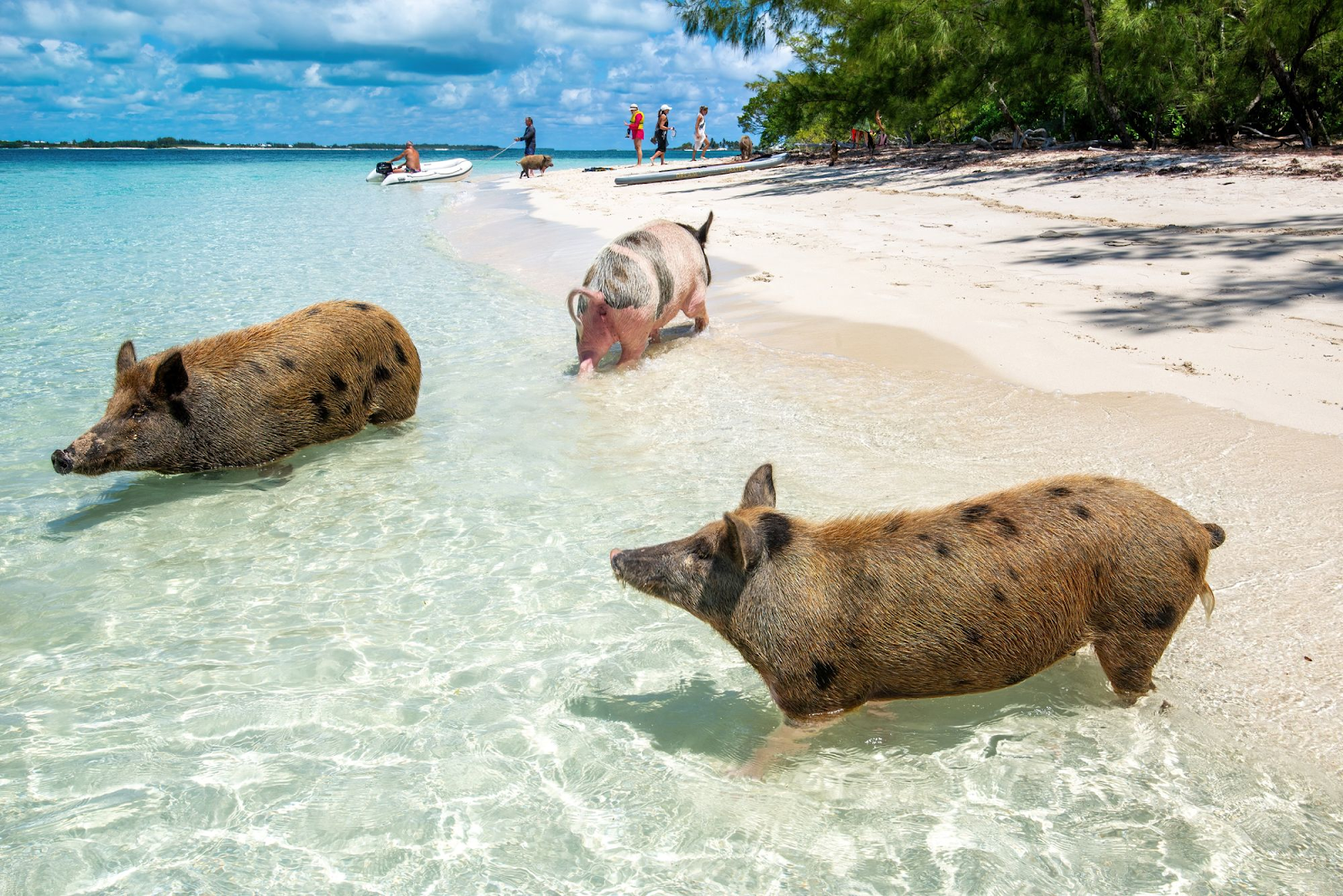
Thinking Twice Before You Take a Dip with the Pigs: Finding Your Slice of Paradise in the Bahamas

 Hey there, fellow wanderers! Bruce here, ready to chat about something that’s been making waves in the travel world – those famous swimming pigs in the Bahamas. Now, I know what you’re thinking: "Pigs on a beach? That sounds like a picture-perfect, 'Cheeseburger in Paradise' kind of moment!" And yes, the images floating around are undeniably charming. But just like a rogue wave, there's a little more beneath the surface that we should explore before diving headfirst into this particular adventure.

For families and couples dreaming of a blissful escape to the Bahamian sun, it’s worth considering a few things about the swimming pig tours. While they might seem like a unique animal encounter, the reality for our porcine pals can be a bit less idyllic than those Instagram snapshots suggest. These pigs often rely on tourists for food, which can lead to stress, competition, and even a few nips if they get a little too enthusiastic about snack time. And let’s be honest, nobody wants to start their vacation with a pig-induced bruise! 

Beyond that, there are some genuine animal welfare concerns that can make a parrot head pause. These aren't wild pigs living freely; many are essentially confined to small islands or pens, brought in specifically for tourist interaction. Their natural diet isn't leftover tourist treats, and constant human presence can disrupt their natural behaviors. Think about it: a pig's natural habitat is a far cry from a bustling beach full of cameras and outstretched hands. This constant interaction and reliance on human feeding can lead to digestive issues, stress, and even aggression as they compete for food. It’s a bit like living in a perpetual "Margaritaville" without the ability to mix your own drink!

And on a more serious note, there's the potential for shared diseases. Animals and humans can, unfortunately, pass illnesses back and forth, a concept known as zoonotic diseases. When you have close, unregulated contact with animals, especially those not under strict veterinary care, the risk of transmitting bacteria like E. coli or salmonella, or even parasites, can increase. While rare, it's something to consider, particularly for families with young children or anyone with a compromised immune system. We at Come Monday Travel are all about those "no worries" moments, and health concerns definitely put a wrinkle in that laid-back vibe!

At Come Monday Travel, our philosophy is all about creating those "no worries" moments, where your biggest concern is whether to have another piña colada. So, if the swimming pigs tour doesn't quite fit your vision of a laid-back, joyful Bahamian adventure, fear not! The islands are brimming with incredible experiences where you can truly soak in the natural beauty and create unforgettable memories, all while keeping those fins to the left, fins to the right, in perfect harmony.

Cast Away Your Worries with These Bahamian Alternatives!

Instead of chasing after pigs, why not discover the true treasures of the Bahamas? For families and couples, there's a whole ocean of possibilities:

  • Dive into Underwater Wonders: The Bahamas boasts some of the most breathtaking underwater landscapes in the world. Grab your snorkel gear or try an introductory dive and explore vibrant coral reefs teeming with colorful fish. Imagine holding hands with your sweetheart as you glide through crystal-clear waters, or watching your kids' eyes light up as they spot a curious sea turtle. For a truly untouched experience, consider the secluded beaches and pristine waters of islands like Mayaguana, a hidden gem perfect for a peaceful escape.
  • Encounter Wildlife Responsibly: If human-to-animal contact is what you crave, consider experiences that prioritize the animals' well-being. Places like the Ardastra Gardens and Wildlife Conservation Centre in Nassau offer a chance to see and learn about various Bahamian species in a responsible environment, including the charming marching flamingos! Many resorts, like those at Baha Mar, also offer interactive animal experiences such as bird feeding, macaw meetings, and touch tanks where you can gently interact with stingrays, sharks, and starfish – no stressed pigs in sight. These are often wonderfully educational and engaging for kids and adults alike.
  • Explore Nature's Masterpiece: For the nature lovers and adventurers, a visit to the Exuma Cays Land and Sea Park is an absolute must. As the oldest national park in the Bahamas, it’s a protected sanctuary where you can truly immerse yourselves in untouched natural beauty. Think stunning cays, incredible snorkeling, and a chance to truly disconnect and appreciate the pristine environment.
  • Resort Relaxation and Rejuvenation: Sometimes, the best paradise is found right at your resort. The Bahamas is home to an array of incredible resorts that offer everything you could possibly desire – from sprawling pools and private beaches to world-class dining and spa treatments. Imagine sipping a refreshing drink by the pool, watching the kids splash and play, or enjoying a romantic dinner as the sun dips below the horizon. Pure bliss!

Let Bruce Chart Your Course to Paradise!

Planning a trip, especially for families or couples, should be as breezy as an island afternoon. You shouldn't have to worry about whether a particular activity is truly safe or responsible. That's where Come Monday Travel comes in! My wife, Rebecca, and I are passionate about helping you discover those perfect moments of escape and joy, without any of the planning headaches.

Don't let the thought of a less-than-perfect tour cloud your Bahamian dreams. There are so many incredible, ethical, and truly unforgettable experiences waiting for you. Let Bruce take the wheel and navigate the ins and outs of travel planning, so you can focus on making those cherished memories.

Ready to chart your course to your own perfect slice of Bahamian paradise? Contact Come Monday Travel today to schedule a consultation call. We’ll help you find adventures that truly sing to your soul!

Ditch the Chemicals, Embrace the Ocean: Why Reef-Safe Sunscreen is Your New Travel Essential

 Hey there, fellow wanderers! Bruce here, ready to chat about something that might just change the way you pack for your next sun-soaked adventure. We all love a good escape, especially when it involves crystal-clear waters, vibrant marine life, and that blissful "Cheeseburger in Paradise" feeling. But did you know that the sunscreen we slather on can have a real impact on those very paradises we cherish?

It’s true, folks! While we’re busy protecting our skin from those glorious sunbeams, traditional sunscreens can be inadvertently harming the delicate coral reefs beneath the waves. But don't you fret, because just like finding the perfect beach chair, there's a simple solution: reef-safe sunscreen!

The Ocean's Delicate Dance: Why Our Sunscreen Matters

Think of coral reefs as the bustling, colorful cities of the ocean. They provide homes and sustenance for countless marine creatures, from tiny clownfish to majestic sea turtles. They even help keep our coastlines safe and our waters clean. Pretty incredible, right?

Unfortunately, many common sunscreens contain chemicals like oxybenzone and octinoxate. When these chemicals wash off our skin, they can cause serious trouble for our finned friends and their coral abodes. Studies have shown these ingredients can lead to coral bleaching, where the coral turns white and becomes vulnerable to disease and death. It's like a bad sunburn for the entire ecosystem, and frankly, that's just not the vibe we're going for at Come Monday Travel.

Beyond coral, these sneaky chemicals can also impact other marine life, affecting their growth, reproduction, and even their immune systems. We're talking about a ripple effect that touches everything from tiny mussels to graceful sharks.

Sun Protection That Sings with the Sea

So, what's a savvy traveler to do? Embrace reef-safe sunscreen, of course! These eco-friendly formulas offer robust broad-spectrum protection, shielding you from both those aging UVA rays and the sunburn-causing UVB rays, all while being kinder to our oceans. It’s a win-win, allowing you to soak up the sun responsibly and contribute to the well-being of our planet.

When you're packing your bags for that dreamy getaway, here's what Bruce looks for in a reef-safe sunscreen:

  • Mineral-Based Magic: Look for active ingredients like zinc oxide and titanium dioxide. These are natural minerals that sit on top of your skin, creating a physical barrier that reflects UV rays, rather than chemicals that absorb into your skin (and the ocean).
  • Non-Nano is the Way to Go: Ensure your mineral sunscreen is labeled "non-nano." This means the particles are large enough (over 100 nanometers) that they won't be ingested by corals and other marine organisms.
  • Say "Aloha" to Harmful Chemicals: Actively avoid sunscreens containing oxybenzone, octinoxate, octocrylene, homosalate, 4-methylbenzylidene camphor, parabens, triclosan, and para-aminobenzoic acid. Reading labels is key, as some products might claim to be "reef-friendly" without truly being so.
  • Lotion Love: While sprays are convenient, lotions and creams are generally preferred as they are less likely to become airborne and wash off into the water.
  • Beyond the Bottle: Remember that sunscreen is just one part of your sun protection plan! Consider packing UPF-rated clothing, wide-brimmed hats, and stylish rash guards. They offer excellent coverage and reduce the amount of sunscreen you need.

Where Reef-Safe is the Rule

As more and more folks understand the importance of protecting our precious marine environments, many popular destinations are making reef-safe sunscreen a requirement. It's like those "fins to the left, fins to the right" moments, guiding us toward better choices for our planet.

Here are just a few places where you'll want to have your reef-safe sunscreen ready:

  • Hawaii, USA: A pioneer in ocean conservation, Hawaii banned the sale of sunscreens containing oxybenzone and octinoxate back in 2021.
  • Key West, Florida, USA: This sunny spot followed Hawaii's lead, with a similar ban in effect since 2021.
  • U.S. Virgin Islands: Taking an even broader approach, they've banned oxybenzone, octinoxate, and octocrylene since March 2020.
  • Bonaire, Caribbean Netherlands: Known for its vibrant coral reefs, Bonaire has also implemented bans on harmful chemicals.
  • Palau, Micronesia: This nation was one of the first globally to ban a wide range of harmful sunscreen chemicals, starting in 2020.
  • Mexico's Ecotourism Reserves: While not always legally mandated nationwide, many ecotourism areas in Mexico (like those in the Yucatán Peninsula) strongly encourage reef-friendly sunscreen use.
  • Great Barrier Reef, Australia: Although there's no legal ban, visitors are urged to use reef-friendly products to help preserve this natural wonder.

Chart Your Course with Come Monday Travel

At Come Monday Travel, we believe every journey should be filled with joy, discovery, and a sprinkle of that island escapism. Protecting our planet’s natural wonders ensures that these incredible destinations remain vibrant for generations of families and couples to enjoy. We're all about helping you find your own slice of paradise, without a single worry on your mind.

Ready to plan your next unforgettable escape, where every detail, right down to your reef-safe sunscreen, is taken care of? Don't let the details of eco-conscious travel deter you from your dream vacation! We can help you navigate the best destinations and ensure your trip is as beneficial for the planet as it is for your soul.

Contact Come Monday Travel to schedule a consultation call today! Let's chart a course to your perfect getaway, where the only thing you have to worry about is whether to have one more piña colada.

NCCL Brings Back "Free at Sea"!

 Ahoy there, fellow travelers and parrot heads! Bruce here, and I've got some sunny news that's sweeter than a perfectly blended piñ...